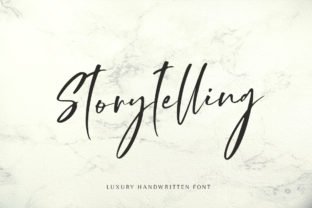
Storytelling Font Review for Branding
I was staring at a stack of blank candle jars last Tuesday, feeling that familiar knot of anxiety in my stomach. I had the wax, the wicks, and the scent profile ready, but the labels looked cheap. They were generic templates I’d downloaded months ago, and they didn’t reflect the cozy, romantic vibe I wanted my brand to project. That moment is where I decided to stop guessing and start treating typography as a serious business asset. I needed a font that could do more than just spell out "Lavender & Sage"; it needed to whisper elegance. That search led me to Storytelling, a luxurious modern calligraphy font with natural handwriting style.
As someone who wears every hat in my small business—from CEO to customer service rep—I don’t have hours to spend tweaking kerning or hunting for design hacks. I need tools that work immediately and look professional. After testing Storytelling on everything from Instagram story templates to actual printed packaging, I can confidently say this typeface has transformed how my brand presents itself. It’s not just a decorative element; it’s a strategic choice for any entrepreneur looking to elevate their visual identity.
Why Storytelling Elevates Handmade Product Packaging
When you run an online shop, your product packaging is often the first physical touchpoint a customer has with your brand. If that unboxing experience feels mass-produced, it undermines the effort you put into making something special. This is where Storytelling shines. Because it is a Script Handwritten font, it mimics the subtle imperfections and fluidity of real penmanship, which instantly signals "handcrafted" and "personal."
I applied Storytelling to my new line of soy candles, using it for the main product name on the jar label. The contrast between the flowing script and the clean, minimalist background made the text pop without feeling cluttered. Unlike rigid serif fonts that can feel formal or cold, this creative font adds warmth. Customers told me they thought the labels were custom-designed by a high-end studio. In reality, I simply selected the right typeface. For boutique owners, skincare brands, or anyone selling handmade goods, using a font like Storytelling helps justify premium pricing because it signals quality and attention to detail before the customer even opens the box.
Using Storytelling for Social Media and Digital Branding
Digital branding requires a different approach than print. On mobile screens, readability is king, yet you still want personality. Many designers make the mistake of using overly complex scripts for entire paragraphs, which becomes unreadable on a phone screen. However, Storytelling is designed with clarity in mind. Its modern calligraphy style ensures that even at smaller sizes, the letters remain distinct and legible.
I started using Storytelling for my Instagram highlight covers and promotional banners. Instead of writing long captions in all caps (which can feel shouty), I used the font for short, impactful headlines like "New Drop" or "Limited Edition." When paired with a clean sans serif font for the body text, the combination creates a balanced hierarchy. The script draws the eye, while the neutral font provides the information. This pairing strategy is crucial for maintaining a consistent brand identity across platforms. Whether you are updating your Etsy banner, creating Pinterest pins, or designing email headers, Storytelling adds a layer of sophistication that makes your content stand out in a crowded feed. It transforms simple graphics into editorial-style layouts that feel intentional and polished.
Best Practices for Readability on Small Labels
One common question I get is whether this font works for detailed information. The answer is: use it strategically. Storytelling is best suited for display text—headlines, logos, and short phrases. Do not use it for ingredients lists, care instructions, or legal disclaimers. For those elements, stick to a highly readable sans serif or serif font. By reserving Storytelling for the primary brand name or key marketing messages, you ensure that your customers aren't struggling to read your product details. This balance between aesthetic appeal and functional usability is what separates amateur designs from professional ones.
How Storytelling Enhances Wedding and Event Stationery
While my primary focus is product sales, I also help friends with event planning, and Storytelling has become my go-to recommendation for wedding invitations and party favors. The prompt describes it as adding a "romantic touch," and that description is spot-on. There is something inherently intimate about handwritten-style typography that resonates deeply with couples and hosts.
I recently tested this font on digital save-the-date cards for a friend’s garden wedding. The natural handwriting style felt personal, as if the invitation were written by hand, yet it maintained a level of luxury that matched the venue's elegance. When you choose Fonts for such significant life events, you want them to convey emotion. Storytelling does exactly that. It bridges the gap between casual charm and formal grace. Whether you are designing thank-you cards, menu cards for a reception, or tags for wedding favors, this script font ensures your stationery suite looks cohesive and expensive. It eliminates the need for expensive calligraphy services by providing a digital alternative that looks equally authentic.
Technical Considerations for Commercial Use
Before downloading any typeface for business use, it is vital to check the licensing terms. As a small business owner, I cannot risk using a personal-use font on products I sell. Fortunately, Storytelling offers commercial licensing options, which gives peace of mind when printing on merchandise, packaging, or client materials. Always verify the file formats included; having both .OTF and .TTF files ensures compatibility with various design software, from Adobe Illustrator to Canva.
Additionally, pay attention to the included alternates and ligatures. High-quality script fonts often include swash variants or connected letterforms that enhance the flow of the text. Exploring these features can add unique flair to your logo design or monogramming projects. For instance, using a specific alternate character for the letter 'S' might give your brand mark a distinctive signature look. Taking the time to explore these nuances allows you to maximize the value of your investment in the font. It turns a simple text element into a branded asset.
Final Thoughts on Building a Cohesive Visual Identity
Typography is the voice of your brand. Just as you would carefully choose your words in a marketing email, you must carefully choose your typefaces. Storytelling has proven itself to be a versatile, elegant, and effective tool for small businesses looking to polish their image. It works beautifully for crafting projects, digital marketing, and physical packaging alike. By integrating this luxurious modern calligraphy font into your design workflow, you are not just picking a font; you are investing in a perception of quality that customers notice and appreciate. If you are ready to move away from generic templates and create a brand identity that feels truly yours, giving Storytelling a try is a smart, low-risk step toward a more professional and memorable business presence.